
Trina Garnett’s Long Imprisonment
Just MercyThis thread traces Trina Garnett’s passage from a violent childhood to a life sentence and the later possibility of release.
increasing Bearing strength in each event
 decreasing
Bearing strength in each eventdecreasingA Childhood of Abuse

Growing Up Unprotected
Violence at home
Trina lives amid her father’s abuse, severe poverty, and the death of her mother when she is nine.
Compounding disability
Burns, intellectual disability, and mental-health needs receive little stable care. Her childhood offers few conditions for safety or recovery.
A Fatal Fire

The Chester House Fire
A terrible accident
Fourteen-year-old Trina enters a house with a friend and lights matches while looking for the boys who live there.
Irreversible loss
The fire kills two sleeping children. Trina is traumatized, yet her circumstances and possible incompetence receive little meaningful legal attention.
Life Without Parole

A Mandatory Sentence
Adult prosecution
Trina’s lawyer fails to pursue an incompetency determination or challenge adult prosecution.
No room for context
The court recognizes she had no intent to kill but imposes mandatory life without parole. Her age, disability, poverty, and abuse cannot change the sentence.
Further Harm in Prison
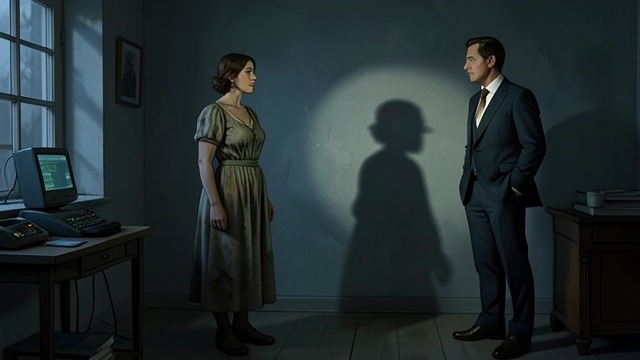
New Vulnerabilities
Abuse by an officer
A male correctional officer rapes Trina. She becomes pregnant, gives birth while restrained, and is separated from her son.
Health deteriorates
Trauma and multiple sclerosis further impair her life. The institution that confines her does not protect her from those who hold power there.
A Route Toward Parole

A Future Reopened
Sentence reconsidered
The constitutional changes create a chance to challenge the sentence imposed for a crime committed as a child.
Hope remains conditional
Trina is resentenced and becomes eligible for parole. She continues singing with other women while waiting for a decision that could finally let her leave prison.
Before 1976
August 1976
After the trial in Pennsylvania
After Trina enters Muncy
After the 2012 juvenile-sentencing ruling
